
Drink your milk, its good for your bones!
...or is it...a look beyond calcium
Bone health is an aspect of health that most of us don’t pay much attention to unless we break or fracture something.
We’ve all heard of Osteoporosis but who really is at risk and why?
What is Osteoporosis?
Osteoporosis means porous bones, bones that have become thin and brittle. But did you know that bones are highly vascular, living structures that are continuously being remodelled? There are 3 types of bones cells involved in the remoddeling process along with several other nutrients. They are Osteoblasts (bone building cells), Osteocytes (mature bone cells), and Osteoclasts (bone reabsorbing cells). The continuous remodelling of healthy bone tissue is normal and is the result of a balance between the activity of the bone-building cells and the bone-breaking down cells. If the rate of bone-building activity does not keep pace with the rate of bone-breakdown, bone density reduces paving the way for Osteoporosis.
You might wonder why the body would want or need to break down bone. The primary reason is to access the calcium stored in them. Calcium is an essential macro-mineral involved in many bodily functions including bone health, blood sugar stabilisation, and muscle contractions including the heart muscle. The body keeps levels of nutrients such as calcium within a very tightly controlled range within the blood and if calcium levels become too high in the blood due to excess dietary intake or supplementation, the body will attempt to move it to the skeleton - happy days! But if calcium levels fall too low or the calcium inside the body cannot be accessed, utilised or is bio-unavailable (due to missing lack of sign-posting essential nutrients vitamin C, D and K for example), the body breaks down bone to to get access to calcium stores - queue Osteoporosis! Deficiencies in nutrients such as vitamin C, D, and K can mean calcium struggles to find its way to the bone matrix and gets deposited in soft tissues instead causing calcification which increases the risk of developing health issues including kidney stones, atherosclerosis, and calcification of breast tissue.
Did you know...
Your bones were at their strongest around the age of 30 and ever since you turned 30 you have been losing bone density slowly. Bone density at the age of 30 would have been higher if you were healthy, didn't smoke, and had regular ovulatory cycles (females). If you reached a high peak bone mass, you should have enough reserve to maintain healthy bones for a few more decades. Peak bone mass would have been lower if you had health issues, smoked, took hormonal birth control, or suffered from an eating disorder. In females the rate of bone loss accelerates temporarily in the first 5-7 years of menopause due to declining estrogen.
So who's at risk?
Everyone over 50, especially women post menopause
White and Asian women
Family History of Osteoporosis or hip fracture
Long-term use of high-dose steroid tablets (3+ months) and other medication that can affect bone strength or hormone levels.
Medical conditions – such as inflammatory conditions, hormone-related conditions, or gut malabsorption problems
Having a low body mass index (BMI)
Sedentary lifestyle
High alcohol consumption
Smokers
Insufficient calcium and vitamin D intake
Strict dieting and having or had an eating disorder such as anorexia or bulimia.
Busting the Calcium myths!
Thomas E. Levy, MD in his book 'Death by Calcium' lists a number of myths associated with calcium and bone health, here are 4 of them:
1. “Calcium supplementation and increased dietary calcium are good for you”
True or False? False. Osteoporosis involves lack of calcium in the bones. It doesn't mean lack of calcium in the body. In Osteoporosis, the body is unable to synthesis a new structural bone matrix in which to integrate calcium. Simply increasing calcium means the body has to deposit it somewhere else - in soft tissues. Adding calcium to an Osteoporotic bone is very much like applying paint to a rotting fence, its looks good for now but it’s still going to fall apart.
2. “You cannot get enough calcium in your diet without dairy products”
True or False? False. Yes, all Osteoporosis patients have calcium deficiencies in their bones, but they have calcium excess in the rest of their body.The average person has a small need for calcium that is adequality met by a balanced diet that includes meat, eggs, and vegetables and adequate levels of Vitamin D. Assuming you are not consuming a highly restrictive diet, calcium deficiency will only result when your vitamin D levels are chronically low. You can check your vitamin D levels with a simple, cheap, finger prick test.
3. “Everyone with Osteoporosis has a calcium deficiency”
True or False? False. Yes, all Osteoporosis patients have calcium deficiencies in their bones, but they have calcium excess in the rest of their body.
4. “The biggest danger faced by someone with Osteoporosis is disability or death following a fracture”
True or False? False. Low bone density was associated with a 60% increase in the risk of death, most of which did not relate to a fracture. Substantial data indicates a correlation between atherosclerosis and Osteoporosis. The more advanced the Osteoporosis is, the more calcium that has been released from the bones over time showering all other tissues and organs of the body with excess calcium exposure increasing the risk of heart disease, cancer, high blood pressure, and stroke.
So what's the real reason bones become brittle?
According to Levy, its lack of vitamin C in the main plus a few other important minerals, namely Vitamins D and K. Levy suggests that calcium migration from the bones is not the cause of Osteoporosis and that supplementing calcium will make the bones look better on a DEXA scan but doesn’t improve bone strength. According to Levy, successful prevention and reversal of Osteoporosis must involve the elimination of the underlying cause of calcium migration from the bone in the first place which is fundamentally about correcting nutrient deficiencies.
What's the connection with the Menopause?
Women are more affected by a loss of bone strength in the years just before, during, and after the menopause, because estrogen (the key hormone for protecting and maintaining bone density) rapidly declines during this time. More women die each year from fractures caused by Osteoporosis than die from breast cancer which is a frightening and unnecessary statistic for a condition that is frequently preventable and – if diagnosed – treatable.
Is HRT the answer for women over 50? It wouldn’t be my starting point since there are lots of natural ways that you can strengthen your bones and synthetic hormones, just like any other medication, can have unwanted side-effects or just aren't suitable for some women so it makes sense to try natural options first. Menopause is a normal life stage after which women’s bodies are designed to function on lower estrogen and progesterone levels not artificially elevated hormones designed for reproduction. Remember that your monthly period is/was your health scorecard, if your periods are/were difficult there is a reason, find out what it is/likely to have been and work with a practitioner to resolve the underlying cause (which is most likely still there) rather than turn periods off using synthetic hormones or synthetically control them using hormonal birth control. Healthy periods greatly increase your chance of an easier menopause so its worth resolving the route cause of issues.
A difficult menopause is often the result of sub-optimal health including menstrual health pre-menopause caused by poor diet and modern lifestyles that create underlying and often ‘silent’ health issues such as blood sugar dysfunction and depleted adrenal and low thyroid function which upset hormonal balance affecting reproductive and bone health. Estrogen often masks an underlying thyroid issue which explains why thyroid problems typically trouble women around menopause. If your thyroid is out of balance then its likely your adrenals glands are too. Since its our adrenals glands that take over the role of producing estrogen needed for bone health when the ovaries stop making it, it makes sense that if the adrenal glands are depleted as a result of years of unrelenting stress, they’re going to have difficulty making estrogen. To maintain healthy levels of estrogen post menopause, your adrenals need to be in good working order which is why stress management and correcting nutrient deficiencies feature on my top tips for optimising bone health naturally. Better to create a diet and lifestyle that builds health and bones rather than putting a sticky plaster over the top of symptoms in the form of synthetic, including 'bio-identical', hormones.
Here are my top 8 tips for optimising your bone health:

1. Increase your dietary intake of Vitamin C
Why? It’s essential for synthesising new bone.
How?
-
Add Vegetables to every meal including breakfast - all vegetables contain vitamin C.
-
Increase both the quantity and variety of vegetables in your weekly meals.
-
Highest amount found in peppers, kale, broccoli, Brussel sprouts, cauliflower, red cabbage and strawberries, spinach and oranges.

2. Increase your dietary intake of Vitamin K
Why? Vitamin K is necessary for allowing the osteocalcin molecule to join with calcium and hold it in place within the bone and dissolves unwanted calcium deposits and low levels are routinely found in Osteoporosis patients.
How?
-
Increase intake of any dark leafy greens, green tea, spinach, broccoli, cabbage, and asparagus.
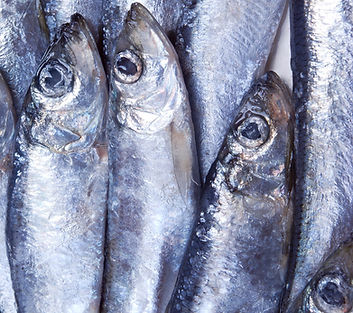
3. Increase your dietary intake of Vitamin D
Why? Deficiency is a cause of Osteoporosis and normalising levels supresses resorption of bone and improves bone density.
How?
-
Eat 1-2 portions of cold-water fatty fish such as sardines, salmon, and mackerel per week.
-
Supplementation – its a good idea to check your levels first since you may need more than you think. Look for a vitamin D supplement that includes vitamin K2 too.

4. Increase your dietary intake of Magnesium
Why? Magnesium is a natural calcium blocker, it dissolves calcium deposits, regulates active calcium transport into the cells, and increases bone density.
How?
-
Increase intake of seaweed, nuts and seeds, brown rice, wholegrains, legumes, and green leafy vegetables.

5. Incorporate weights and weight bearing exercise into your exercise routine
Why? When muscles contract, they pull on the bones they are attached to placing them under stress which helps to strengthen the bones.
How?
-
Begin with body weight exercises such as squats, lunges, crunches, plank, jumping jacks – anything that uses the muscles.
-
Attend a body pump or crossfit class.
-
Skipping and rebounding utilise gravity to force pressure through the bones making them stronger.
-
If you have a gym membership make use of the free PT advice and get a programme that will increase your muscle strength.
-
Sports such as tennis, running, and dancing are excellent weight bearing activities.

6. Maximise your time in the sun when you have the opportunity
Why? We produce the most vitamin D in the body from the action of sunlight on the skin.
How?
-
Avoid getting burnt, so cover up skin sensitive areas during peak sun (between 11-3pm) with light coloured cotton clothing rather than suncream to reduce toxin absorption.
-
If suncream must be used, opt for a low toxin brand such as Green People Organic Children SPF50 Suncream.
-
Outside of the peak window, expose as much skin as possible especially arms and legs. The body will store excess and call upon it during the winter months.

7. Stay Hydrated
Why? Dehydration causes both sodium and calcium to move inside the cells where it’s no longer available for the bones.
How?
-
Aim to drink 6-8 glasses of plain water per day in addition to other drink and reduce diuretics that encourage water to leave the body such as caffeine.

8. Keep hormones balanced and healthy
Why? Hormones are intrinsically linked to healthy bone production. Estrogen deficiency in women, testosterone deficiency in men, and thyroid hormone deficiency in both genders contribute to loss of bone mass and density. Loss of bone mass after menopause is a strong indicator of estrogen’s role in maintaining bone density. Post menopause, estrogen is produced from DHEA in the adrenal glands which also manage stress hormones.
How?
-
By doing what you can to keep blood sugar stable such as reducing intake of refined carbohydrates and increasing protein levels because insulin reduces sex hormone binding globulin (SHBG) responsible for keeping hormones stable in the blood.
-
Doing what you can to reduce and/or manage stress since stress lowers adrenal function which not only disrupts blood sugar which disrupts hormones, but for post-menopausal women, the adrenal glands become the sole producers of estrogen. Poor adrenal function = low thyroid function and even less estrogen!
Why not take a Health MOT?
You could also consider a Health MOT to find out your mineral balances and ratios including calcium and magnesium as well as assess thyroid and adrenal health, carbohydrate handling, stress burden, blood sugar management, and overall vitality.
Lorraine Oakley, 1st February 2026
Article sources:
-
Royal Osteoporosis Society, https://theros.org.uk/.
-
Royal College of Nursing, https://journals.rcni.com/nursing-older-people/osteoporosis-nop.19.3.19.s16.
-
Death by Calcium, Thomas E. Levy, MD.